Candy, as we know it today, was not the candy that generations of humans have enjoyed for the last 5 millennia. As humans, we are in love with sweet-tasting things. It may have been because sweet vegetation, in the form of fruit, served as a quick refuelling source when we were little more than hunters and gatherers, before the advent of agriculture. Sugar, for example, can have effects on our brain that are similar to that of cocaine. So, it is no surprise that ancient civilizations have been enjoying sweets for such a long time. Keep reading to find out about the real history of candy!
Caveman lollipop?
In ancient times, honey was an essential food source for early men, as well as a way to coat and preserve fruits and nuts. Originally, people dipped pieces of wood in honey and then licked them off, making it the first candy in history.
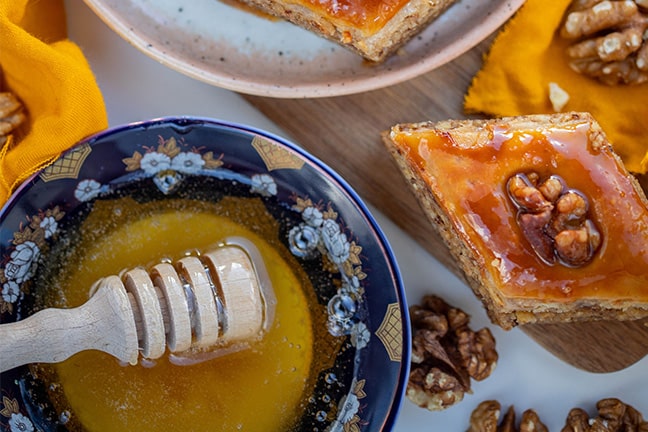
Honey-baby
For many different civilizations across the eastern hemisphere, honey remained the delicacy of choice. The Bible even mentions it in high regard. Egyptians, Arabs, and Chinese candied fruits and nuts with honey. During the same period, Indians made brown sugar out of sugarcane juice. People might’ve consumed it as a digestive remedy.
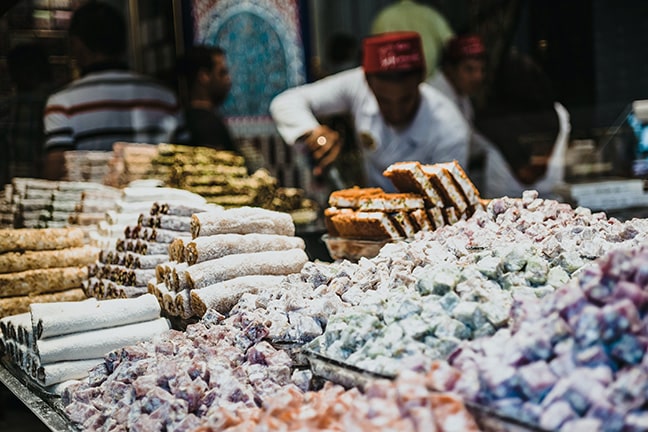
“Comfits only fit for a king”
The Middle Ages considered sugar candy to be a delicacy only available only to the rich due to its high cost, while Apothecaries prescribed sugar as a remedy for a variety of ailments. Aside from being used for medicine, sugar was also used to preserve food and spices, which became candy (known as draguees in French and comfits in English).
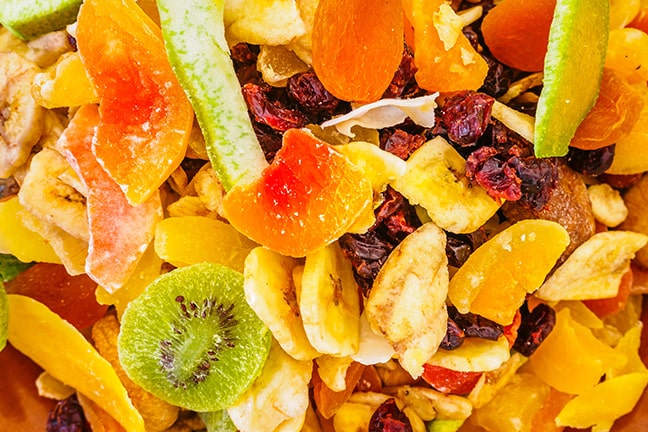
Candy with a chance
In the seventeenth century, as sugar became more available, Americans and English consumed boiled sugar candies mixed with fruit and nuts, following an explosion of popularity for caramels and lollipops in the early eighteenth century. Within a decade, in the middle 1800s, over 380 candy factories were built in the United States.

Cacahuatl
Chocolate as candy also became extremely popular. During the 16th century, Spanish conquistadores brought cacao from Mexico to Europe. The upper classes found hot chocolate to be extremely popular, often serving it as a glamorous breakfast. The solid form of chocolate only developed centuries later, around the 1820s. A Swiss duo by the names of David Peter and Henry Nestle, developed the first milk chocolate in 1876, manufacturing a new candy obsession in the late 19th century.
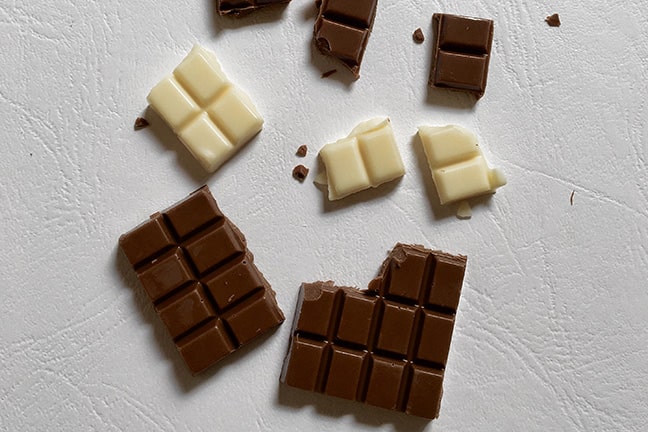
Modern Candy
Candy is a worldwide favourite these days. Europeans and North Americans are big consumers of these goods. Every holiday has candy involved, whether is a Christmas special, an easter egg, or Halloween fun-sized bars. However, candy is not just for children, as adult Americans consume 65% of the candy produced each year.
Did you know that candy had such a rich history? You can enjoy more blogs like this one on our page.

No matter what you’re in the mood for, we have plenty of tasty, healthy sweets that are perfect for culling that cold, calming that cough, and making you feel better.
From tasty citrus to warming ginger, all of our sweets are made to be gluten-free and vegan. None of them includes any nasty preservatives!
To find more of our healthy sweets, check out our selection here. Or, if you just fancy trying some tasty TwoHues treats, you can find the rest of our products here.